The digital ad space just keeps getting louder, doesn’t it? People scroll past faster than ever. If you want to catch someone’s eye, clever copy isn’t enough anymore—ads need to feel like they’re meant for the person seeing them. Hyper‑personalised PPC campaigns use real‑time data and AI to serve up ads so relevant, they almost feel like a private conversation. It’s not just age or location—it’s about habits, interests, and timing that actually clicks with people.

Picture this: instead of tossing out the same offer to everyone, advertisers can now shape each message to fit what a specific person wants right now. Platforms using hyper‑personalization in PPC pull together all sorts of data—search behavior, purchases, even location—to create those rare moments where ads don’t just interrupt, but actually connect.
The concept sounds fancy, but honestly, it’s about making each click count. When brands get it right, these ads do more than grab attention—they earn trust.
Key Takeaways
- Hyper‑personalised PPC flips generic ads into one‑to‑one experiences.
- Smart data and AI tools power relevance and drive better results.
- Ethical data practices help brands build real trust and loyalty.
What Are Hyper‑Personalised PPC Campaigns?

Hyper‑personalised PPC campaigns use advanced data, AI, and user insights to deliver ads that actually fit an individual’s needs, behaviors, and context. This isn’t just about basic targeting—it’s about shaping ads around each person’s reality, keeping brands relevant and efficient.
Definition and Key Features
Hyper‑personalisation in PPC means you’re using real‑time data, AI, and machine learning to tailor ads for every single user. Instead of blasting out one ad to everyone, advertisers tweak copy, visuals, and timing based on things like recent browsing, device, or even the weather.
It’s less about what someone did last week and more about what they’re doing right now. Predictive analytics and automation let brands update ads instantly as conditions change. For example, a retailer might push raincoat ads only when it’s actually raining in a certain area—this overview of hyper‑personalization in PPC explains it pretty well.
Typical features include:
| Feature | Description |
|---|---|
| Dynamic ad content | Changes automatically using live data |
| Micro‑segmentation | Targets small, specific audience groups |
| Behavioral tracking | Follows what users do across sites and devices |
| Predictive modeling | Guesses what a user will likely do next |
This kind of advertising talks to one person, not a whole demographic—so it just feels more natural.
Personalization vs. Hyper‑Personalization
Personalization and hyper‑personalization aren’t quite the same. Traditional personalization uses static info—like your name or what you bought last time—to shape messages. Hyper‑personalization goes deeper, mixing contextual, behavioral, and real‑time data.
Let’s say a clothing brand uses standard personalization: “Hey, Sarah, new jeans are here.” A hyper‑personalised ad would say, “Sarah, blue Levi’s are 20% off near you today,” pulling in location, preferences, and even local inventory. Sandstorm Digital breaks down how AI and machine learning help ads match user intent right when it matters.
The difference? Personalization remembers; hyper‑personalization predicts. Sure, it needs more data and tech, but it makes the ad journey smoother and more relevant—something most people actually appreciate if it’s done respectfully.
Why Hyper‑Personalization Matters in PPC
In PPC, every impression and click costs something. Hyper‑personalisation helps brands stretch every dollar by showing ads to the people most likely to care or convert. It means less wasted spend, better ROI, and—over time—stronger loyalty.
Starbucks, for example, uses geo‑targeting to send personalized offers in its app, as Anchor Digital points out. The app suggests drinks or discounts based on where you are and what you’ve bought before—a real-world case that’s hard to argue with.
PPC teams see the upside: higher click‑through rates, better conversion rates, and improved audience retention. When an ad feels like it matches your interests and timing, you’re more likely to click. That’s why hyper‑personalised PPC keeps gaining ground in digital advertising.
The Data Powering Hyper‑Personalised PPC

Hyper‑personalised PPC campaigns rely on smart use of all kinds of data—behavioral, demographic, psychographic, and real‑time. Each one adds something important. When you put them together, brands can predict intent, adapt messages on the fly, and serve up ads that meet people where they are—emotionally and literally.
Behavioral Data Utilization
Behavioral data shows what people actually do online—the clicks, scrolls, and moments they pause. Marketers dig into this to understand individual habits, not just overall trends. Inside a customer data platform (CDP), these patterns help fine‑tune when to show ads, what tone to use, and which creative assets to pick.
Honestly, seeing someone revisit a product page says way more than just knowing their age. It screams intent. With analytics tools, teams break users into micro‑groups and set up triggers—like showing an ad after a couple of abandoned carts.
Technologies mentioned in Search Engine Land’s exploration of hyper‑personalization in PPC combine behavioral and contextual signals to optimize bids on the go. This turns user actions into real-time intelligence, not just old data.
Demographic and Psychographic Insights
Demographic data—age, gender, income, education—lays the groundwork. But psychographic data is where things get interesting. It digs into motivations, values, and lifestyle choices that drive buying behavior. Marketers blend both to craft creative that actually resonates.
Take two people aged 35. One cares about sustainability, the other just wants convenience. They’ll see totally different ads. That’s where data collection and profiling shine. Teams feed surveys, social media, and browsing patterns into analytics systems that match traits with intent.
Anchor Digital explains how advanced segmentation matches ads to interests and emotional triggers. These insights give campaigns a human touch—and if you do it right, you boost relevance without crossing privacy lines.
| Data Type | Purpose | Example Use |
|---|---|---|
| Demographic | Defines who | Age, location, income |
| Psychographic | Explains why | Values, attitudes, lifestyle |
| Combined | Enables precision | Personalized offers and tone |
Real‑Time Data for Personalization
Real‑time data brings adaptability. It tracks what’s happening now—location changes, time of day, weather, even live browsing. PPC systems can then tweak bids, messages, or visuals right on the spot.
Say you’re selling outdoor gear. Your ad might only show up when the weather’s right, kind of like the weather‑triggered ads in three&six’s PPC case study. Real‑time responsiveness turns campaigns into living, breathing things.
Behind all this, big data engines and machine learning pull signals from everywhere. A customer data platform gathers thousands of signals per user and feeds them into AI that predicts the right message for the moment. Ideally, users don’t see the tech—they just feel like the ad “gets them.”
AI and Machine Learning in Hyper‑Personalized Campaigns
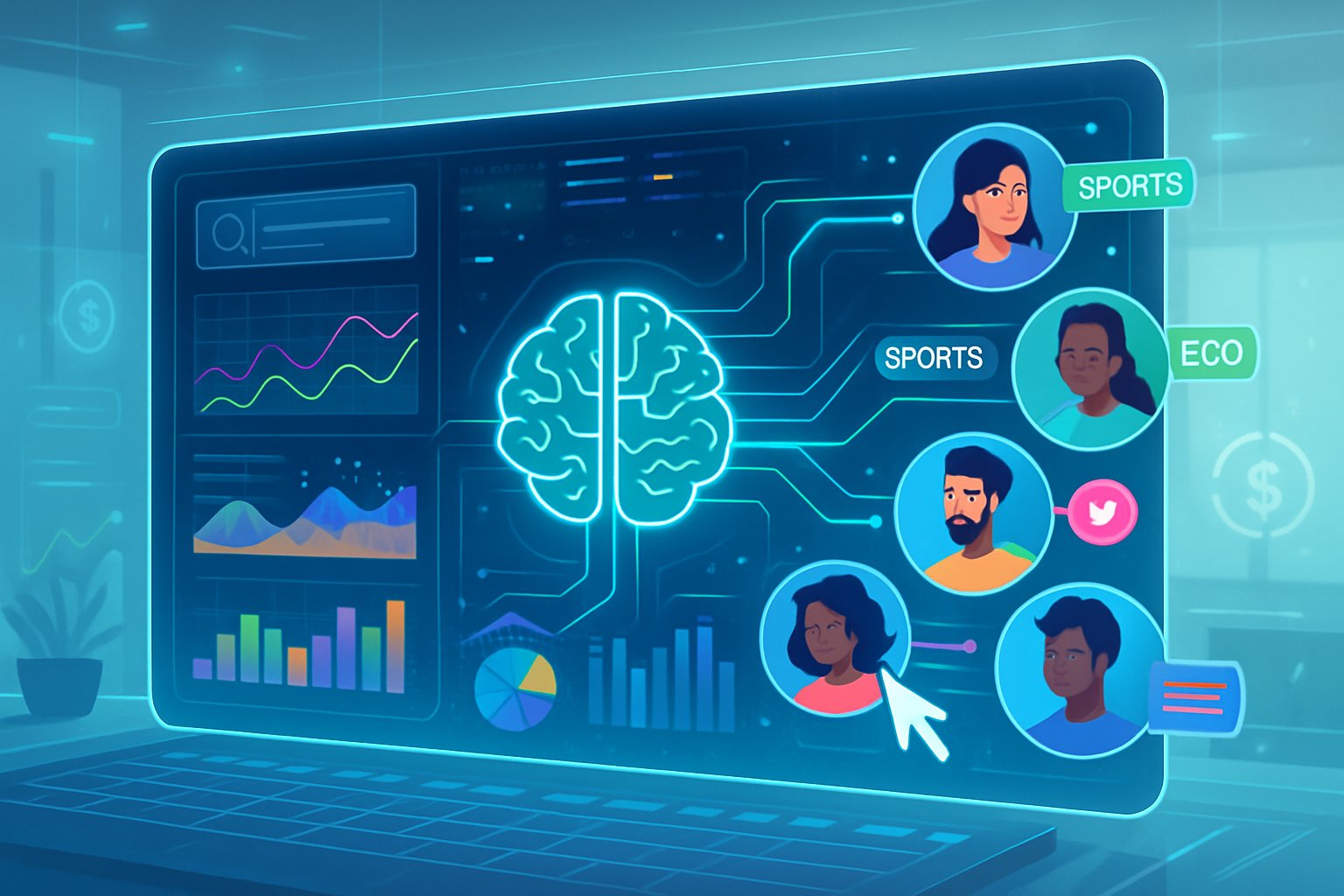
Now, smart algorithms handle a lot of the heavy lifting that used to be manual in pay‑per‑click. They zip through data, spot customer intent with scary precision, and reshape how messages get delivered in real time. These systems can predict actions, automate creative, and keep things personal—even as audiences grow way bigger than any human could manage alone.
Role of Artificial Intelligence
Artificial Intelligence (AI) is basically the brain behind today’s hyper‑personalized PPC campaigns. AI scans user behavior across platforms like Google and Meta, looking at search history, clicks, and browsing to optimize ad delivery. Tools built on AI‑driven methods adjust ads instantly based on your latest moves online.
Advertisers lean on predictive analytics to guess what you want before you even search for it. Maybe a product suggestion pops up just before you realize you need it—timing that lifts conversions and cuts wasted spend. Agencies now use AI dashboards that learn as they go, tweaking copy, images, and targeting on the fly.
AI also helps manage the balance between personalization and privacy. When tracking gets tricky because of regulations, algorithms can still figure out interests from context, not personal profiles. It’s a clever workaround that keeps ads relevant without overstepping boundaries.
Machine Learning Models for Audience Segmentation
Machine learning models break down big groups of customers into smaller, more meaningful clusters. Segmenting audiences these days isn’t just about age or where someone lives—it’s about how they behave, how much they engage, and what they’ve bought before. Platforms using machine learning segmentation, like in hyper‑personalization in PPC, let campaigns shift gears quickly as people’s intent changes.
Here are a few main types of these models:
| Model Type | Common Use | Example Outcome |
|---|---|---|
| Clustering | Group similar users | Finds “holiday deal seekers” or “tech enthusiasts” |
| Classification | Predict category membership | Tags likely converters for certain ads |
| Reinforcement Learning | Optimize decision‑making | Adjusts bids in real time to improve ROI |
Teams also use Dynamic Creative Optimization (DCO) tools that combine machine learning with ad creatives. These tools swap out headlines, images, or CTAs to fit each viewer’s profile. By constantly testing what works, campaigns stay nimble and relevant without wasting budget.
Natural Language Processing and Chatbots
Natural Language Processing (NLP) helps marketers sound more human in digital conversations. It powers everything from smarter search queries that get your tone to chatbots that help buyers pick products. When you tie NLP to live ad data, it can whip up ad copy that actually fits what people want, right when they want it.
Chatbots powered by AI‑driven tools act as round-the-clock brand reps. They answer questions, suggest products, or even help recover abandoned carts—all while picking up on what users say and do. A post about AI algorithms in hyper‑personalized marketing breaks down how these chatbots are now at the core of customer engagement.
What’s especially interesting? They adapt fast. As language models get smarter, they don’t just pick up keywords—they catch the mood. So, the next wave of PPC chat assistants could answer a curious shopper differently than a frustrated one, making the whole thing feel more personal and helpful. Isn’t that what we all want from customer service?
Strategies for Implementing Hyper‑Personalisation
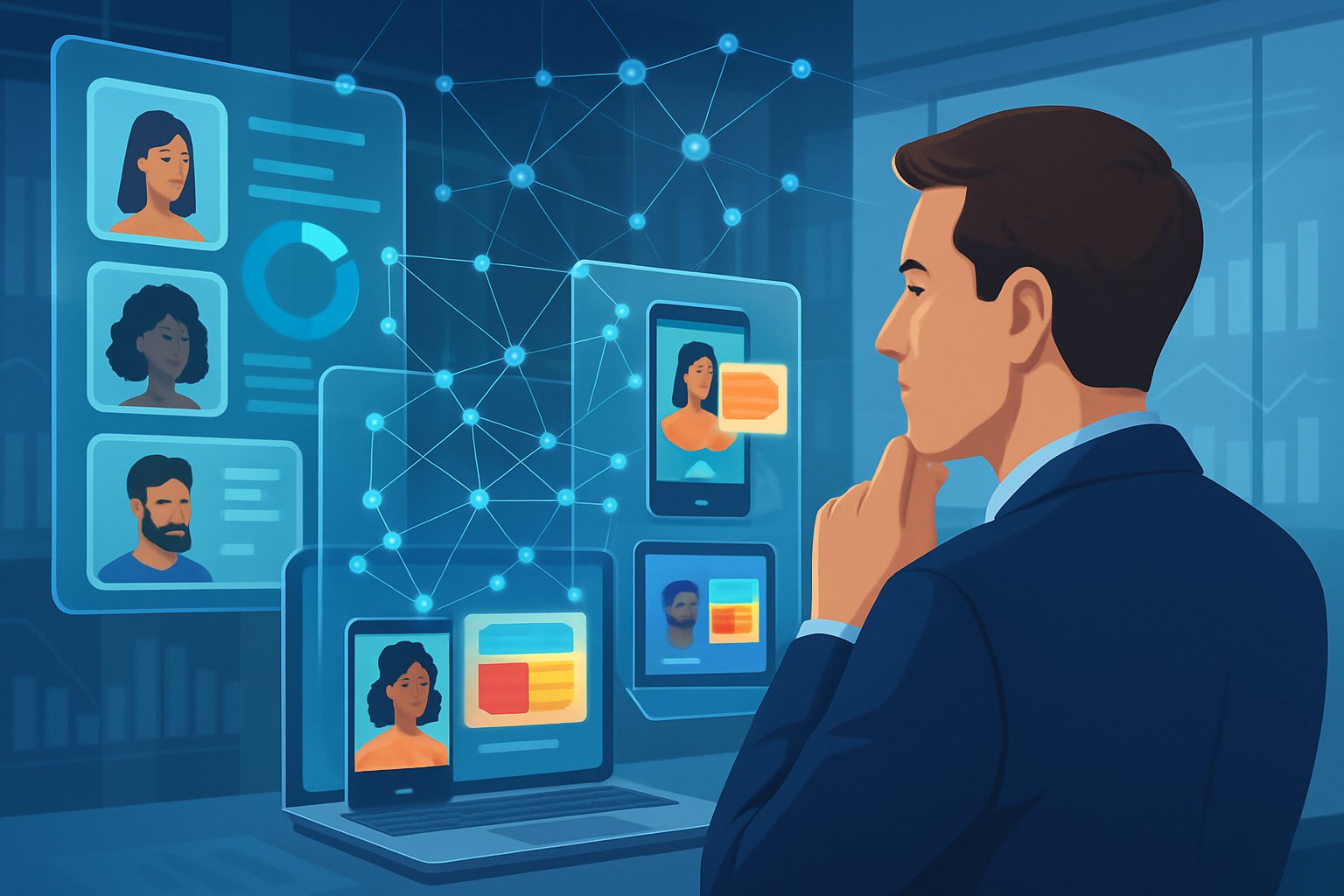
Hyper‑personalised PPC campaigns work best when creative messaging and sharp data come together. Advertisers zero in on dynamic ad content, detailed audience targeting, and smooth data integration to serve up ads that change with user behavior and context.
Dynamic Ad Copy and Personalised Content
Dynamic ad copy is really the core of personalized advertising. It updates in real time—based on things like where someone is, what they’re searching for, or what they’ve browsed—so every user gets something a bit unique. Platforms like Google Ads make this easier with dynamic keyword insertion and responsive search ads that tweak headlines and descriptions for each search.
Picture a travel brand: they’ll show beach trips to users looking at tropical spots and city breaks to those after nightlife. That’s the kind of real‑time personalization that makes ads feel thoughtful, not cookie-cutter.
Writers and marketers can lean on behavioral cues—like which pages someone visited, how long they stayed, or what’s in their cart—to craft personalized messages that actually make sense for that person. Even little touches, like greeting a returning visitor with a relevant discount, help build trust. Sure, it takes some work to set up, but it usually pays off with more engagement and fewer wasted clicks.
Segmentation and Audience Targeting
Good segmentation takes personalization strategies way past basic demographics. Instead of tossing all “outdoor lovers” together, marketers build micro‑segments around recent searches, what content people interact with, and their purchase patterns. With these detailed profiles, businesses can predict which content or offers will land best, so personalized ads hit just the right note and timing.
The trick is to layer different data types—behavioral, contextual, transactional—to sharpen each group. Search Engine Land points out that hyper‑personalization really hinges on mixing these data points to boost precision and conversions.
Sometimes it’s easier to see it laid out:
| Segment Type | Example Criteria |
|---|---|
| Demographic | Age, gender, location |
| Behavioral | Search terms, clicks, cart activity |
| Contextual | Device, time of day, local weather |
Each layer adds depth, letting brands tweak offers on the fly and reach people when they’re most interested.
Data Integration and Automation
Data integration ties together CRM systems, ad platforms, and analytics tools. This is what lets personalized advertising actually work—by feeding the right data to the right campaign at the right moment. When it’s set up properly, info about ad performance, user journeys, and conversions loops back in, making future targeting sharper.
Automation keeps things humming along without endless manual tweaks. Machine learning finds patterns—like predicting when someone’s about to convert—and adjusts bids or creative content automatically to get the best results.
The Ad Firm says companies using integrated, automated systems gain a real edge: campaigns run smoother, personalization scales, and the whole process feels more human. It’s not just a numbers game—ads start responding to real people, not just profiles.
Performance Outcomes and Benefits
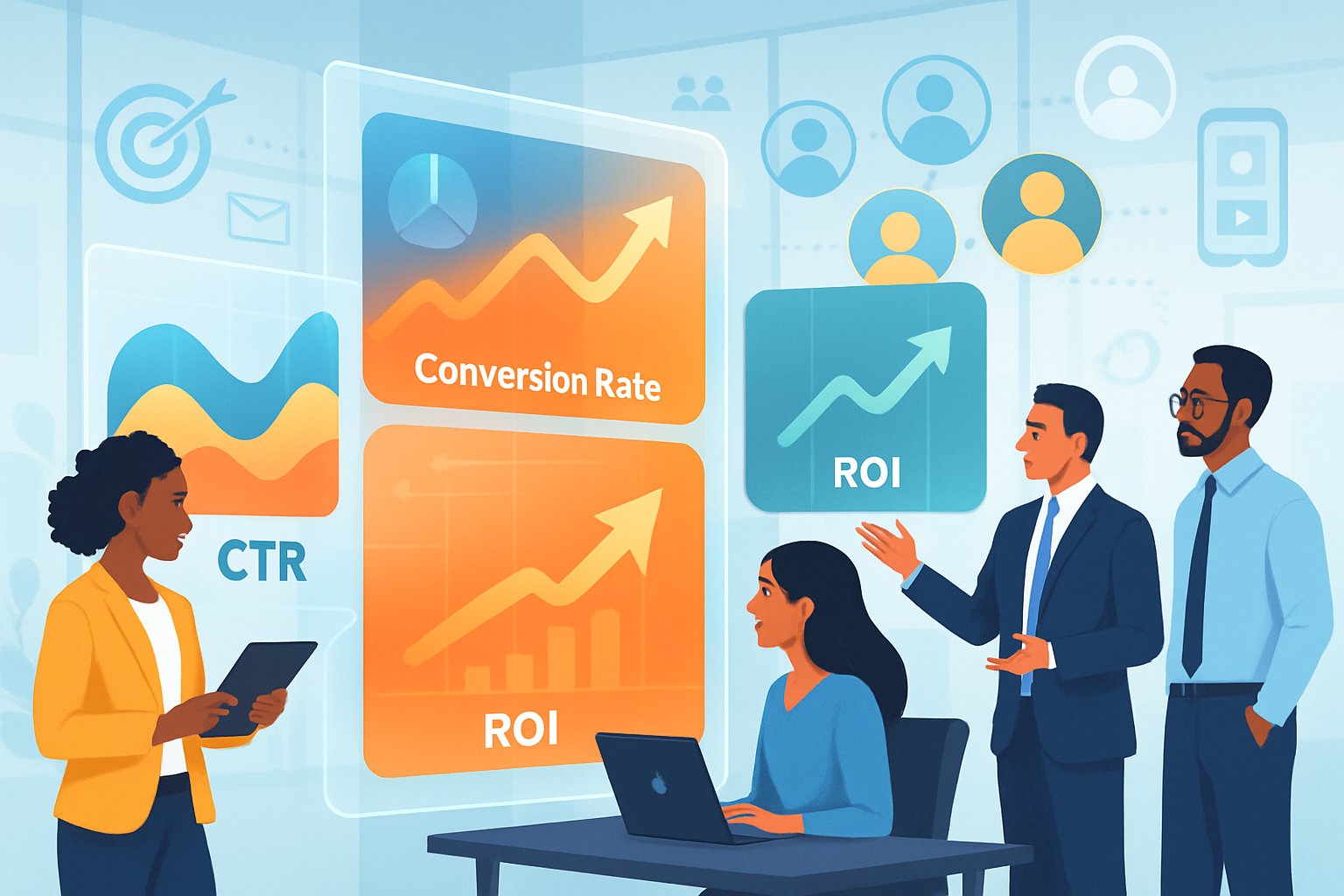
Hyper‑personalized PPC campaigns use live data to shape ads that match each person’s needs and habits. When brands use this level of detail, they don’t just boost performance metrics—they change how customers move through the entire buying process.
Boosting Click-Through and Conversion Rates
Hyper‑personalized campaigns lift click‑through rates (CTR) because the ads actually match what users want at that moment. Studies in Search Engine Land’s guide on hyper‑personalization in PPC show that real‑time tweaks and user‑specific copy bring in more qualified traffic.
Instead of blasting out one generic offer, brands use data‑driven insights to line up messaging with search intent, location, time, and even device. Tweaking tone or product picks—even slightly—can turn someone just browsing into a buyer.
This isn’t just about more clicks; it’s about better conversion rates because the ads actually fit the user’s context. For example, a traveler sees flight deals from their home airport right after searching destinations—suddenly, buying feels easier and more relevant.
Enhancing Customer Engagement and Loyalty
When users spot ads that “get” them, customer engagement goes up. Anchor Digital’s overview of hyper‑personalisation marketing highlights how brands use AI and behavioral data to make experiences feel smooth and consistent, no matter the platform.
People notice when a brand recognizes their habits but doesn’t cross the line. Thoughtful content—like reminders based on past buys or offers tied to local weather—makes them feel understood, not stalked. That kind of connection builds customer loyalty and keeps people coming back.
A little personal touch in ads also makes the whole customer experience better. It makes the customer journey feel smoother, helping users find what they want faster. Over time, that trust becomes a real deciding factor when someone’s choosing between brands.
Maximizing ROI and Customer Lifetime Value
Hyper‑personalized PPC isn’t just about quick wins—it’s about building long‑term relationships that drive growth. By focusing on high‑intent audiences, brands cut ad waste and boost ROI. The Ad Firm’s PPC strategies guide stresses how ongoing optimization keeps campaigns lean and profitable.
When ads line up with what customers like and how they shop, people stick around longer and spend more. That’s a direct bump to customer lifetime value (CLV), which is what really matters for sustainable growth.
In the real world, brands running hyper‑personalized campaigns usually see better budget use and a clearer competitive advantage. Their ads might reach fewer people, but they reach the right ones—the ones who actually convert and stick around after that first click.
Challenges and Ethical Considerations for Hyper‑Personalised PPC
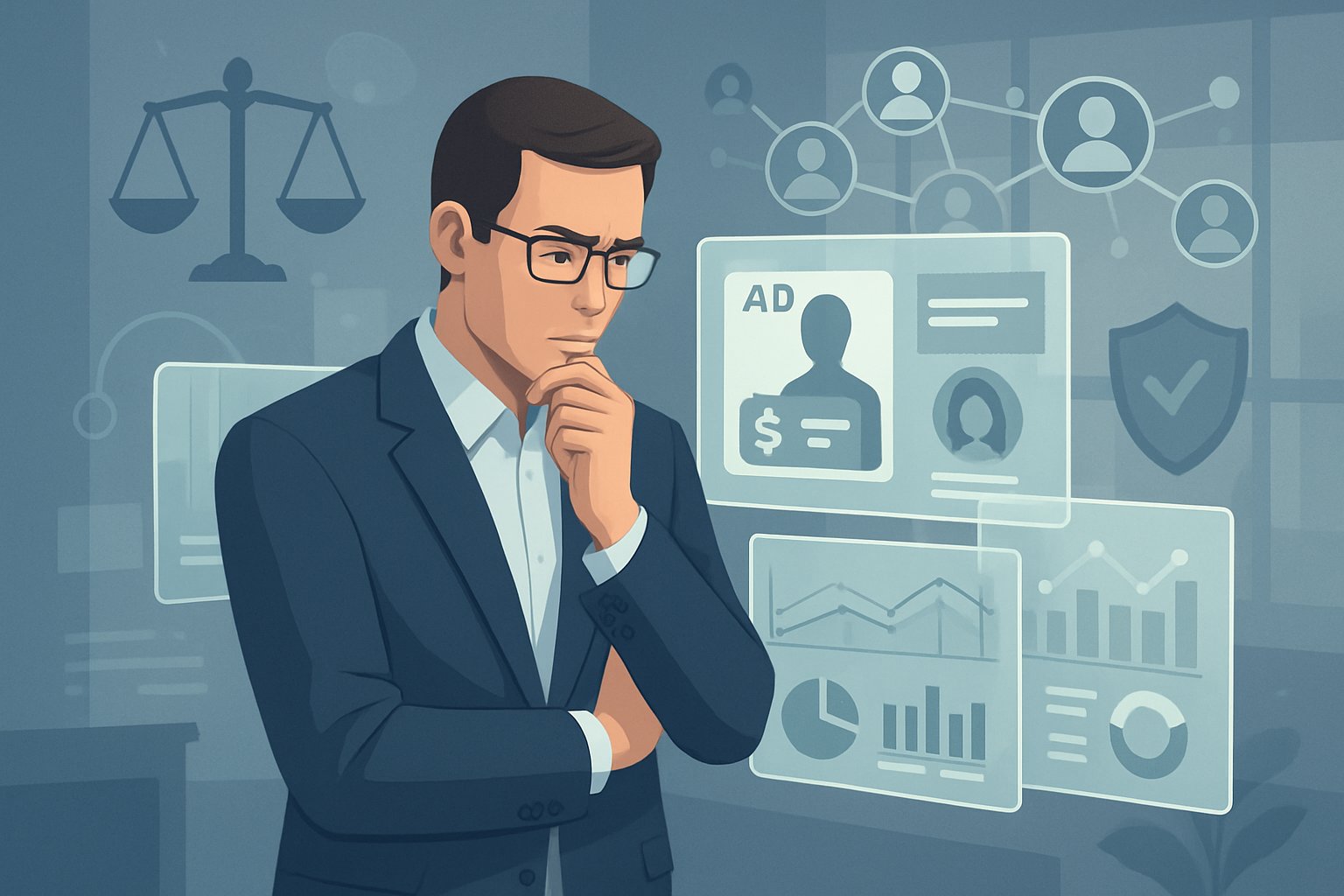
Hyper‑personalised pay‑per‑click (PPC) campaigns depend on deep consumer data and advanced automation to deliver spot‑on ads. But these same tools spark tough ethical questions—how is data collected, stored, and used? And at what point does personalization cross the line into feeling downright invasive?
Data Privacy and Regulatory Compliance
Data privacy sits right at the core of hyper‑personalisation. Marketers lean on browsing history, device IDs, and purchase data to sharpen their targeting, but that comes with real risks if companies aren’t ethical or transparent. Laws like the GDPR in Europe and CCPA in California require clear disclosures, consent options, and the ability for users to opt out of tracking.
Most companies now add privacy controls to their ad systems, but compliance doesn’t always build trust. Customers want to know their information won’t be sold, leaked, or misused. It helps when brands stick to ethical data usage—collecting just what’s needed and anonymising data whenever possible.
Even with rules in place, enforcement can be all over the place. Marketers walk a fine line between using predictive models and staying on the right side of the law. The Huble piece on ethics in hyper‑personalisation points out that transparency builds credibility and long‑term brand loyalty.
Balancing Personalization and Intrusiveness
Hyper‑personalisation makes ads more relevant, but it can cross into uncomfortable territory if users feel watched. No one wants to see ads that seem to know a little too much. Hitting that balance between relevance and respect takes restraint and a bit of empathy.
One smart move is to design data models that predict intent from patterns, not invasive details. Instead of targeting someone’s exact location, use broader contextual signals. The article on AI‑powered personalization ethics notes that responsible data use helps brands avoid the “digital stalking” label.
Marketers can run A/B tests to see where personalization feels helpful and where it gets creepy. When users understand why they’re seeing an ad, that discomfort tends to fade. Ethics, when done right, becomes part of the brand’s personality—not just a checkbox for compliance.
Frequently Asked Questions

Hyper-personalized PPC campaigns use detailed audience data, smart automation, and dynamic creative tools to reach people in ways that actually feel relevant. These campaigns rely on accurate data, careful handling of personal info, and constant optimization to keep both performance and trust up.
How do hyper-personalized PPC campaigns improve customer engagement?
They match ad content with what users genuinely care about. Instead of broad targeting, businesses use behavioral patterns, search intent, and context to deliver spot-on messages. For example, if someone searches for running shoes, a hyper-personalized campaign might show an ad for the exact brand or color they checked out earlier.
This approach helps audiences feel understood—not just targeted. It’s a bit like walking into a local shop where the staff already know your size and favorite style. According to The Ad Firm’s take on hyper-personalization in PPC, campaigns that connect on a personal level drive higher click-through rates and real brand loyalty.
What are the critical elements in creating an effective hyper-personalized PPC strategy?
A few things matter most: high-quality data, thoughtful segmentation, and creative assets that stand out. Businesses that blend these can shape ads that reflect both who the user is and what they want. Tools like CRM integrations and web analytics help organize and refine all that data. Brands often start with behavior-based groups, then test dynamic content to find what clicks. A post from Anchor Digital mentions that timing—getting the right message out at the right moment—is often what sets great campaigns apart.
Which metrics should be monitored to measure the success of hyper-personalized PPC campaigns?
The main performance measures are click‑through rate (CTR), conversion rate (CVR), and return on ad spend (ROAS). These show how well your ads attract and convert your best prospects. Marketers also keep an eye on customer lifetime value (CLV). It’s not just about getting clicks; it’s about keeping customers coming back. As Search Engine Land points out, you have to monitor constantly because user preferences change fast.
How does AI contribute to the success of hyper-personalized PPC campaigns?
Artificial intelligence spots patterns people would probably miss. By reading real‑time signals, it can adjust bids, fine-tune audience segments, and serve up dynamic ad versions on the fly. That means personalization can scale up without losing its edge. I’ve seen it myself with automated bidding tools—they save hours and usually outperform manual setups. As Sandstorm Digital explains, AI and machine learning turn PPC campaigns into tailored experiences that react to each user’s context and intent.
What are the privacy and data security concerns with hyper-personalized PPC marketing?
Data privacy can’t be an afterthought here. Since personalization relies on collecting and analyzing personal data, marketers need to follow laws like GDPR and CCPA and actually tell people how they handle data—no vague statements.
Good security habits—like anonymizing data and checking consent settings—keep user trust intact. Even a small mistake can chip away at credibility fast. Honestly, I’ve always felt that cautious transparency works better than any flashy promise when it comes to privacy. Salesforce points out that solid data governance is the only way to balance effective and ethical hyper-personalization.